
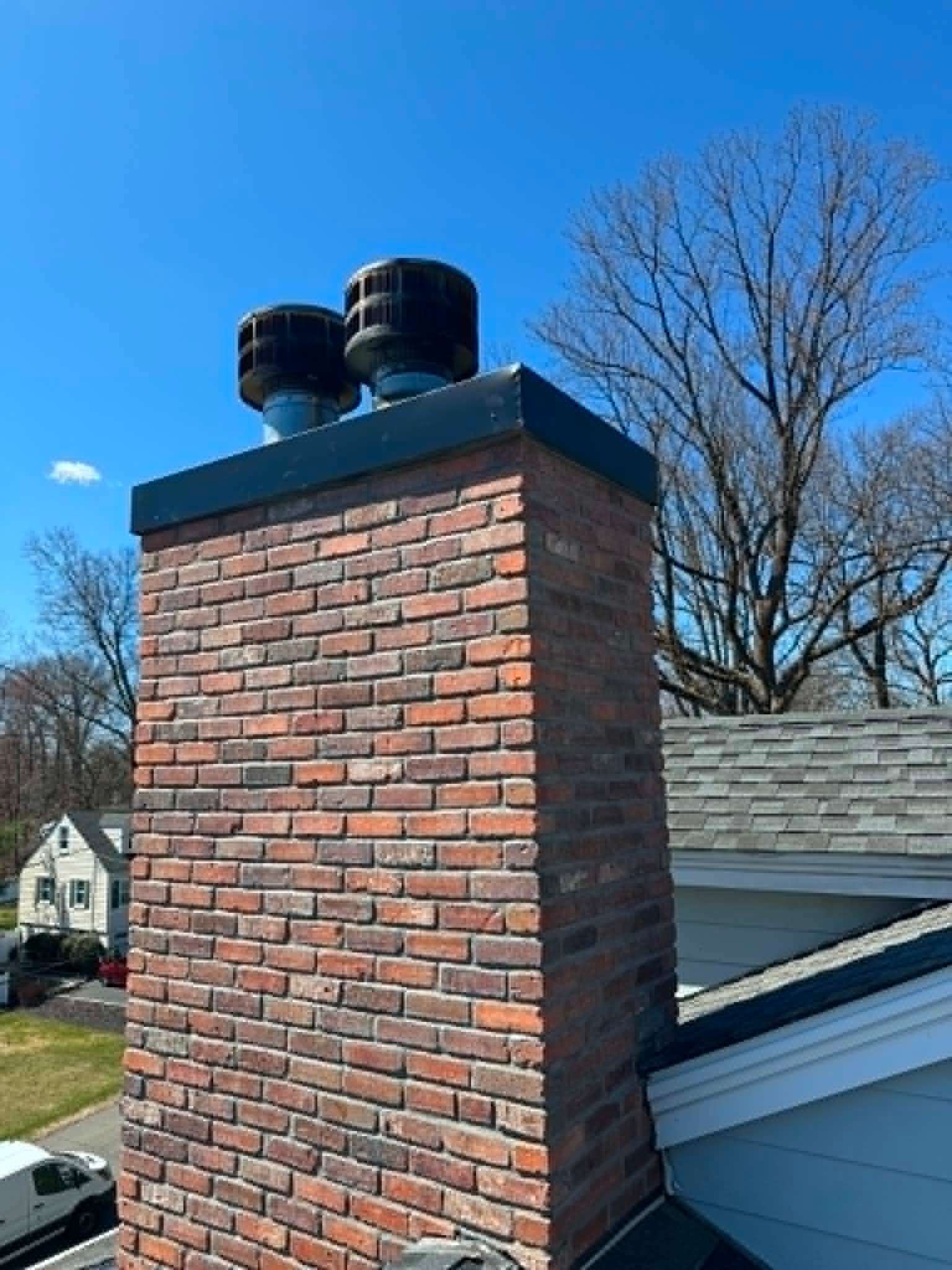




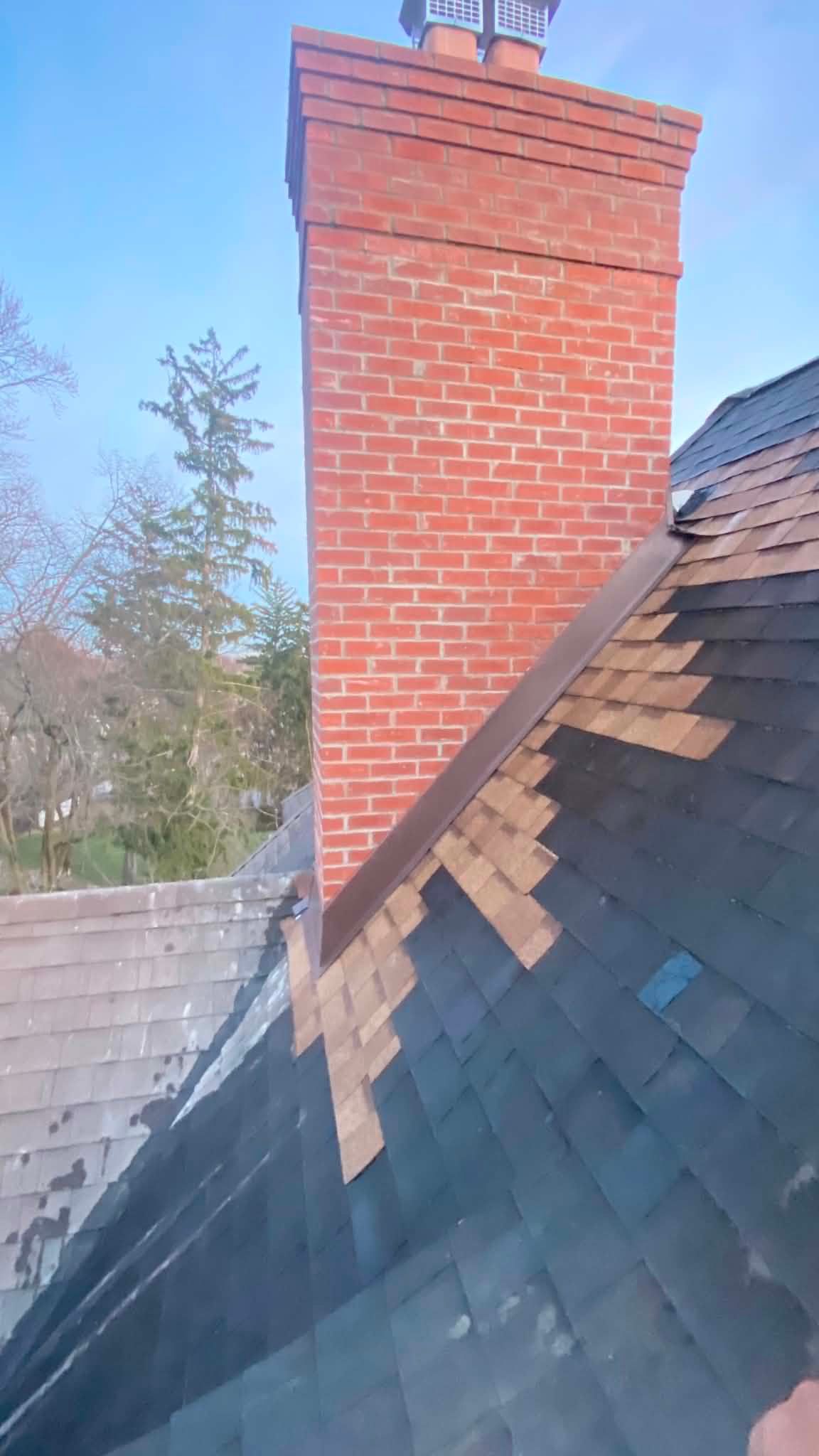
NJ Chimney Contractor
Chimney Contractor
in New Jersey
Legacy Peak Roofing & Construction provides expert chimney services for New Jersey homeowners — from annual sweeping and NFPA 211 Level 1 & 2 inspections to stainless steel flue relining and full masonry rebuilds in brick and natural stone. Licensed and insured, serving Monmouth County and throughout Central and Northern New Jersey.
Licensed & Insured · NJ NFPA 211 Certified Inspections Serving Monmouth County & Beyond
- NJ-Based
- Free Estimates
Chimney Services
Our Chimney Services
Legacy Peak Roofing & Construction provides complete chimney services for New Jersey homeowners. From annual safety sweeping and certified flue inspections to stainless steel liner installations and full masonry rebuilds — every project is executed by our licensed craftsmen with documented safety certification at completion.
-
Chimney Sweeping & Inspection
Annual chimney sweeping removes creosote buildup, debris, and blockages that cause chimney fires and carbon monoxide hazards. Every sweep includes a visual inspection of the flue, firebox, and crown. NFPA 211 Level 1 and Level 2 inspections available.
-
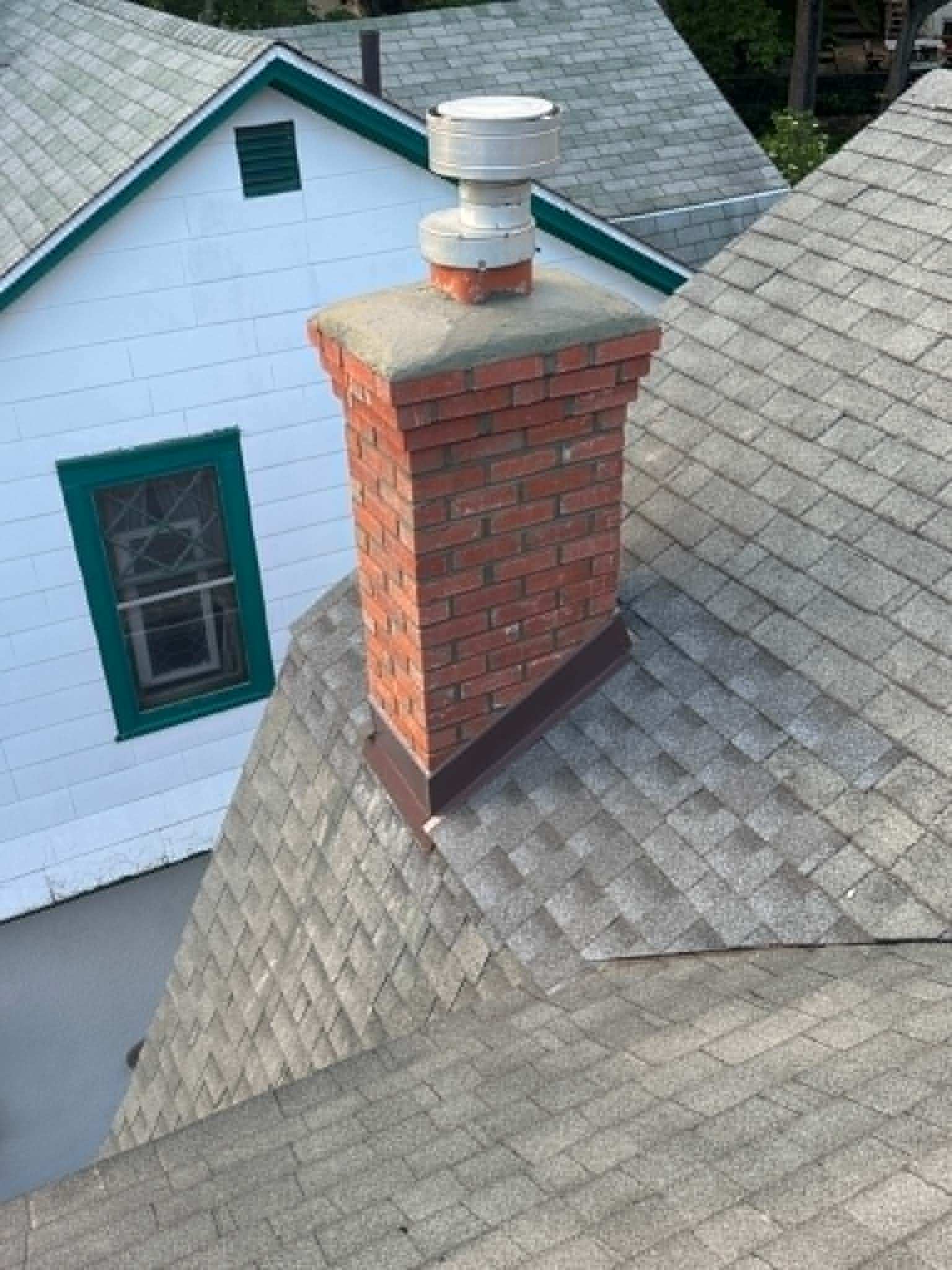
Flue Relining
A deteriorated or improperly sized flue liner is a direct fire and carbon monoxide risk. Legacy Peak installs stainless steel flexible liner systems and Thermocrete flue sealing — the two most reliable relining methods for NJ residential chimneys of all ages.
-
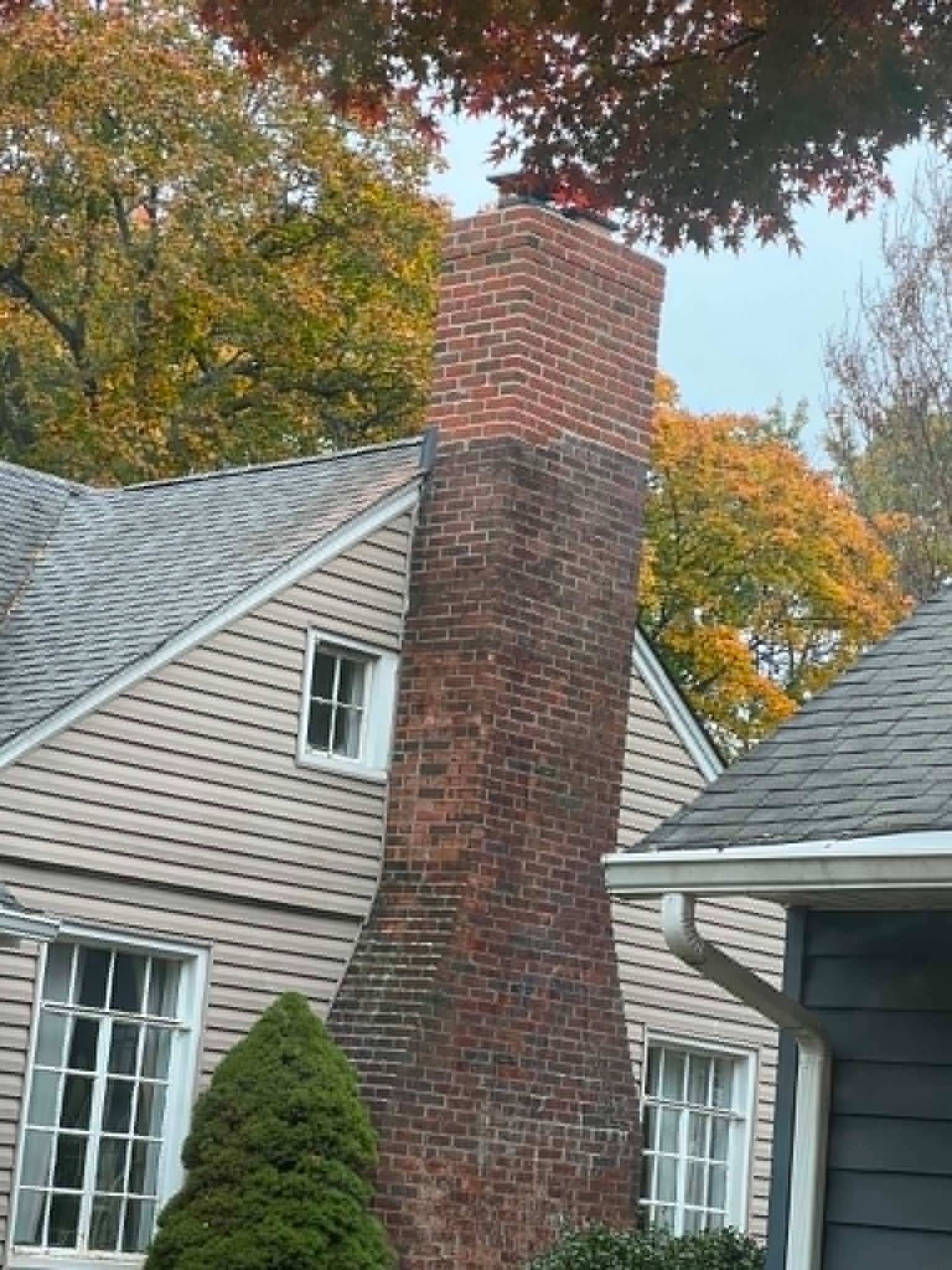
Masonry Repair & Rebuilding
From targeted tuckpointing on eroded mortar joints to full chimney rebuilds in brick and natural stone. Our licensed masons specialize in period-accurate mortar matching for NJ colonial, Victorian, and mid-century residential architecture.
-
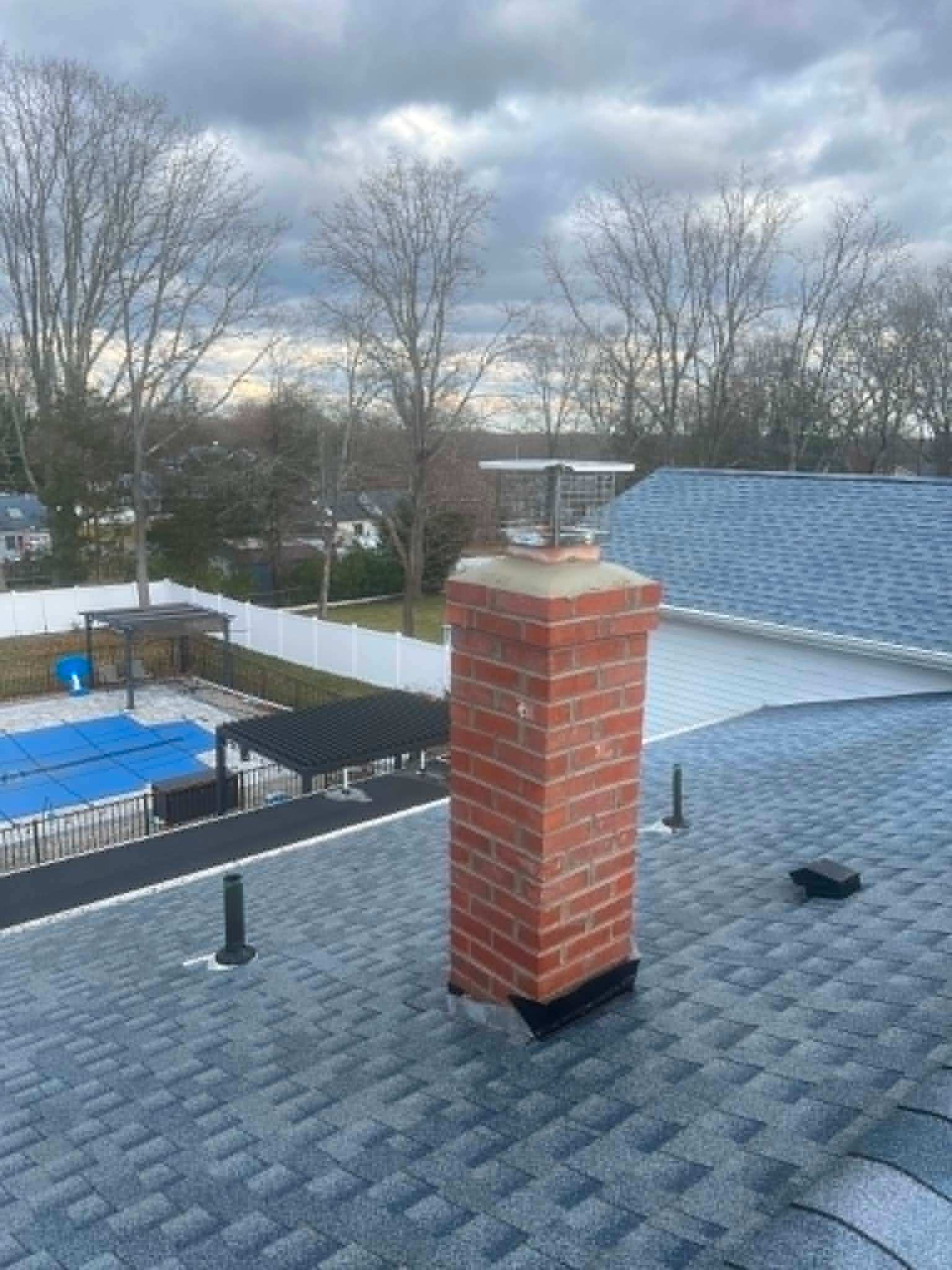
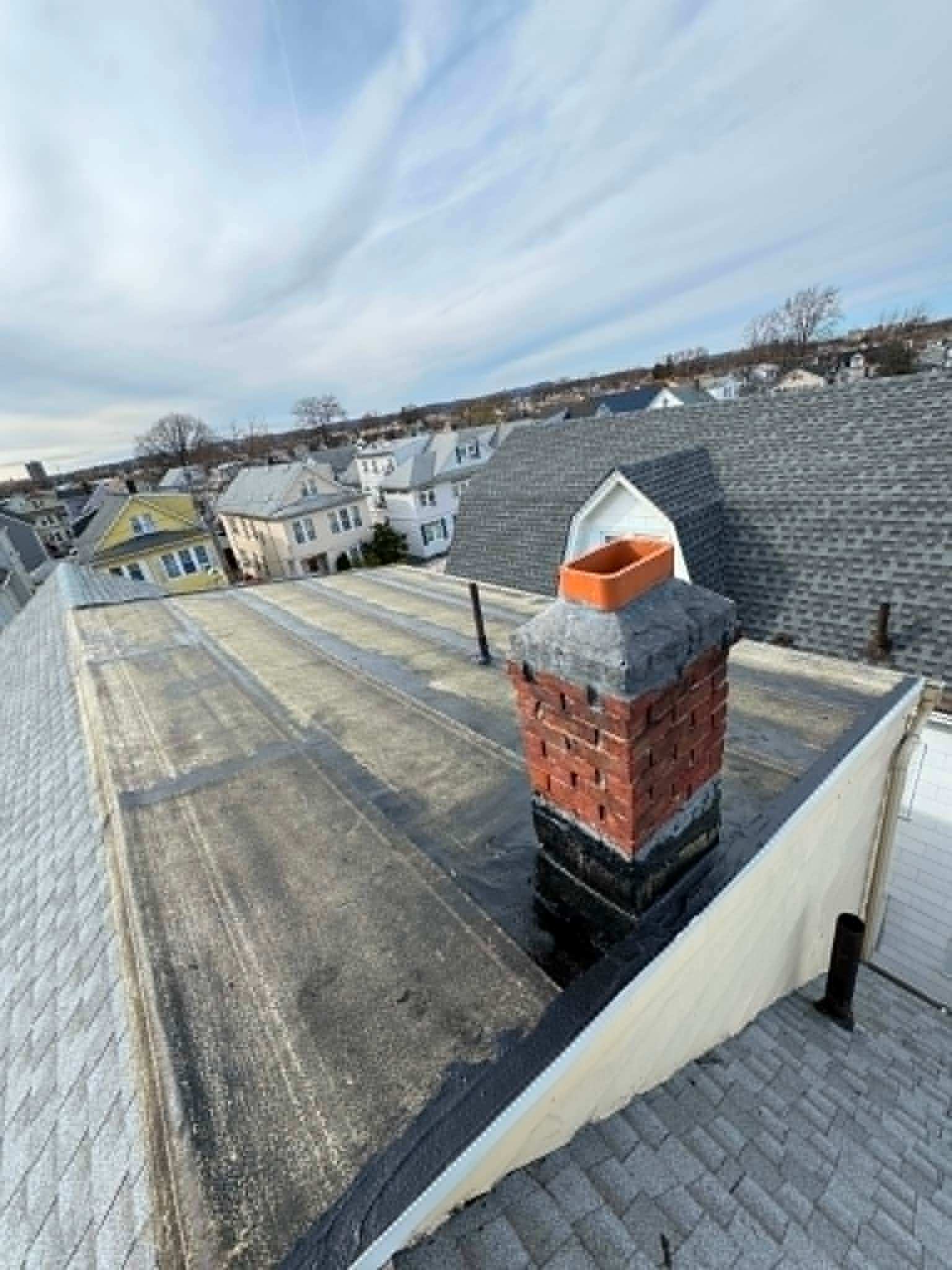
Cap & Crown Repair
A cracked chimney crown or missing cap allows water infiltration into the flue and masonry system — the leading cause of freeze-thaw chimney deterioration in New Jersey. We seal, rebuild, and cap chimneys to prevent moisture from reaching the liner and firebox.
The Honest Assessment
Tuckpointing or Rebuild? A Framework That Doesn't Favor Either Answer
The right call depends on the condition of the masonry units themselves, the depth of mortar deterioration, and whether moisture has reached the liner or firebox. Below is the same decision framework our masons use on every inspection — laid out plainly, without a vested interest in the more expensive outcome.
When Tuckpointing Restores the Work
-
Mortar Joints Are Weathered, Not Cracked Through
Surface erosion of mortar joints up to 25–30mm deep — visible as recessed or sandy-faced joints — is a tuckpointing scenario. The masonry unit is still intact; only the pointing requires removal and replacement.
-
Bricks and Stone Units Are Structurally Sound
When the masonry units themselves show no cracking, spalling, or structural displacement, the chimney does not warrant section-by-section replacement. Quality tuckpointing with period-accurate mortar restores weatherproofing and extends service life by 15–25 years.
-
System Is Under 25 Years Old With No Prior Failures
A relatively young chimney exhibiting normal mortar weathering from NJ freeze-thaw cycles, without history of moisture intrusion or fire damage, is a strong tuckpointing candidate. The masonry structure is sound — only the pointing has reached its maintenance interval.
-
Crown Damage Is Cosmetic — Hairline Cracking Only
Small hairline cracks in the chimney crown can be sealed with elastomeric crown sealer or a targeted crown rebuild without requiring work on the chimney body. If the crown is the only point of moisture entry, a targeted crown repair is the proportionate response.
When Full Rebuild Is the Sound Decision
-
Spalling Bricks or Delaminating Stone Units
When the masonry units themselves are failing — faces popping off bricks, stone faces delaminating, through-cracks across individual units — the structural integrity of that section is compromised. Tuckpointing addresses mortar, not the unit. Affected sections require complete rebuilding.
-
Visible Structural Lean or Separation From the House
Any visible displacement of the chimney stack — lean, lateral shift, or opening at the flashing line between the chimney and roof — indicates a structural failure beyond what tuckpointing can address. This is a full-section rebuild scenario and a potential safety hazard.
-
Water Penetrating Into the Firebox or Living Space
Active moisture inside the firebox or water staining on the breast wall above the mantle signals a failed liner, crown, or masonry system that is beyond surface repair. A camera inspection of the flue is required to determine the full extent before any rebuild scope is defined.
-
Multiple Failed Tuckpointing Cycles
When tuckpointing has been performed repeatedly and the new mortar will not hold — crazing, cracking, or popping out within one to two seasons — the substrate has deteriorated beyond the reach of surface repair. The underlying masonry units must be replaced for any repair to hold.
The Safety Standard
Why New Jersey Homeowners Trust Legacy Peak for Chimney Work
Safety-First Inspection Protocol
We perform NFPA 211 Level 1 and Level 2 inspections before any repair work begins. You receive a written assessment of every finding — firebox condition, liner integrity, crown and cap status — before we write a single line-item proposal. No repair work is proposed without a documented basis.
Brick & Stone Masonry Specialists
Our masons specialize in historic NJ masonry: colonial brick, fieldstone, and brownstone chimney systems that demand period-accurate mortar formulation, not a one-product-fits-all approach. We match mortar composition and joint profile to the original construction for repairs that hold and read correctly.
Licensed, Insured & Fully Documented
Every chimney repair and rebuild is performed by licensed NJ craftsmen with full liability and workers' compensation coverage. All work scope, materials, and findings are documented in writing. A signed workmanship warranty is provided at project completion — before we close out the job.
Request a Free Estimate
Estimates delivered within 24 hours.
How It Works
From Inspection to Certification
-
Free Chimney Inspection & Written Assessment
We perform a full inspection of your firebox, liner, crown, cap, and masonry — including a camera scan of the flue for Level 2 assessments. You receive a written report with documented findings before any proposal is generated. No guesswork, no verbal-only estimates.
-
Itemized Repair or Rebuild Proposal
Within 24 hours you receive a written proposal with the exact scope of work: materials, methods, and a firm price. We do not give estimates over the phone without seeing the chimney, and there are no surprise add-ons after work begins.
-
Expert Execution & Final Safety Clearance
Our licensed masons execute the repair or rebuild with full site protection. At completion, we perform a final flue and crown inspection and provide a written safety clearance — a documented record that the chimney was inspected and cleared after work completion.
Featured Work
Every Project.
The Same Standard.
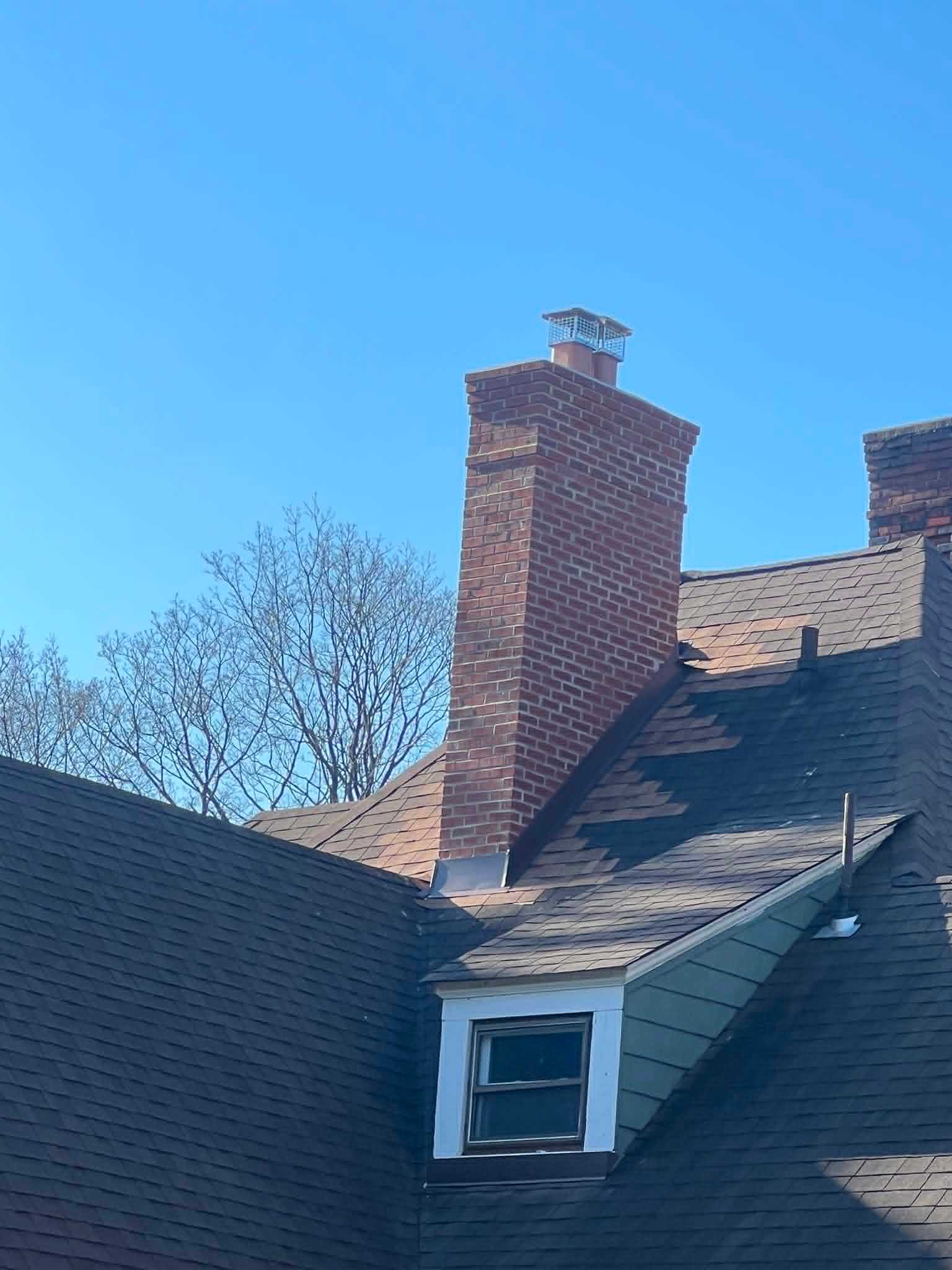
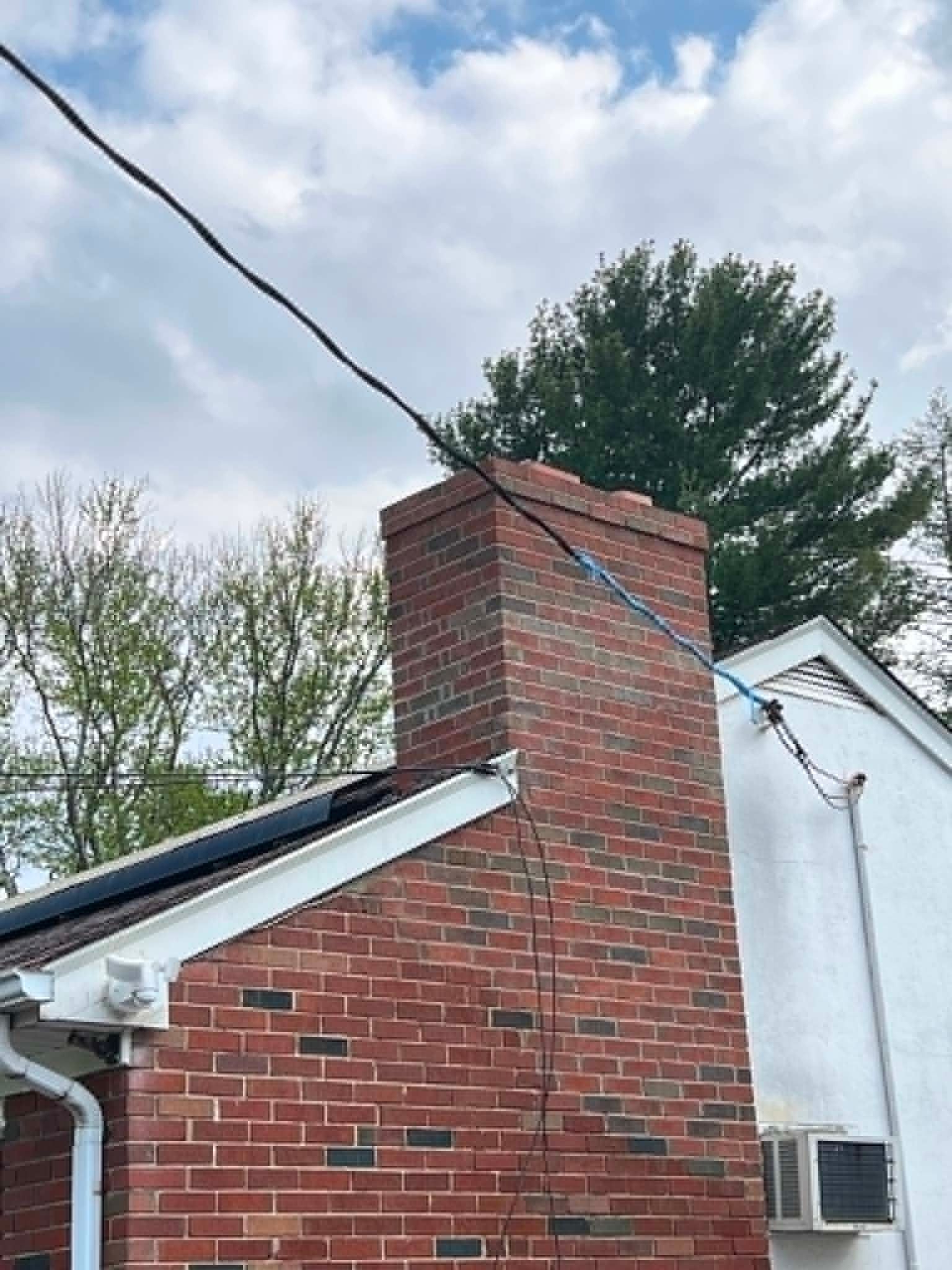
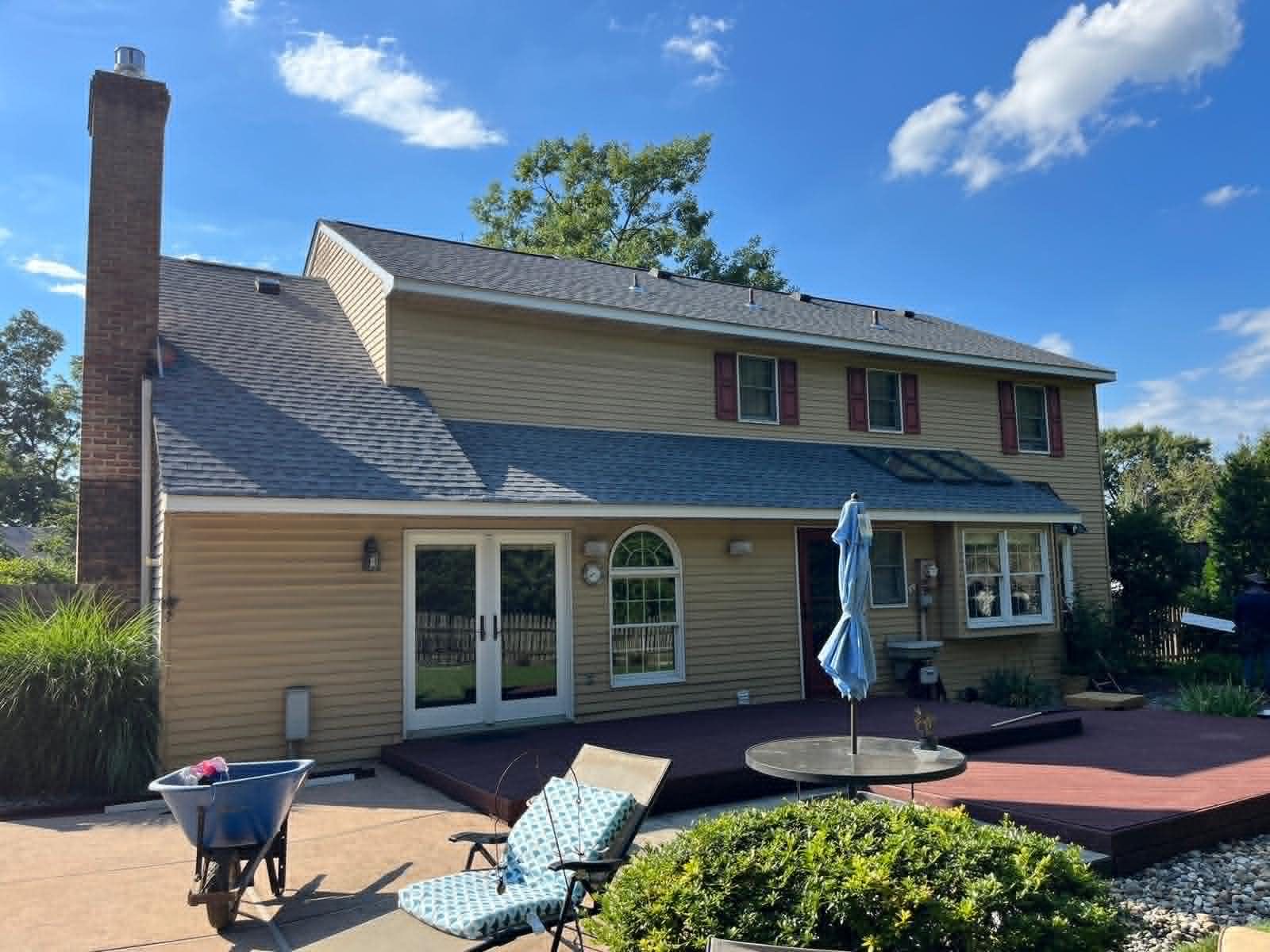
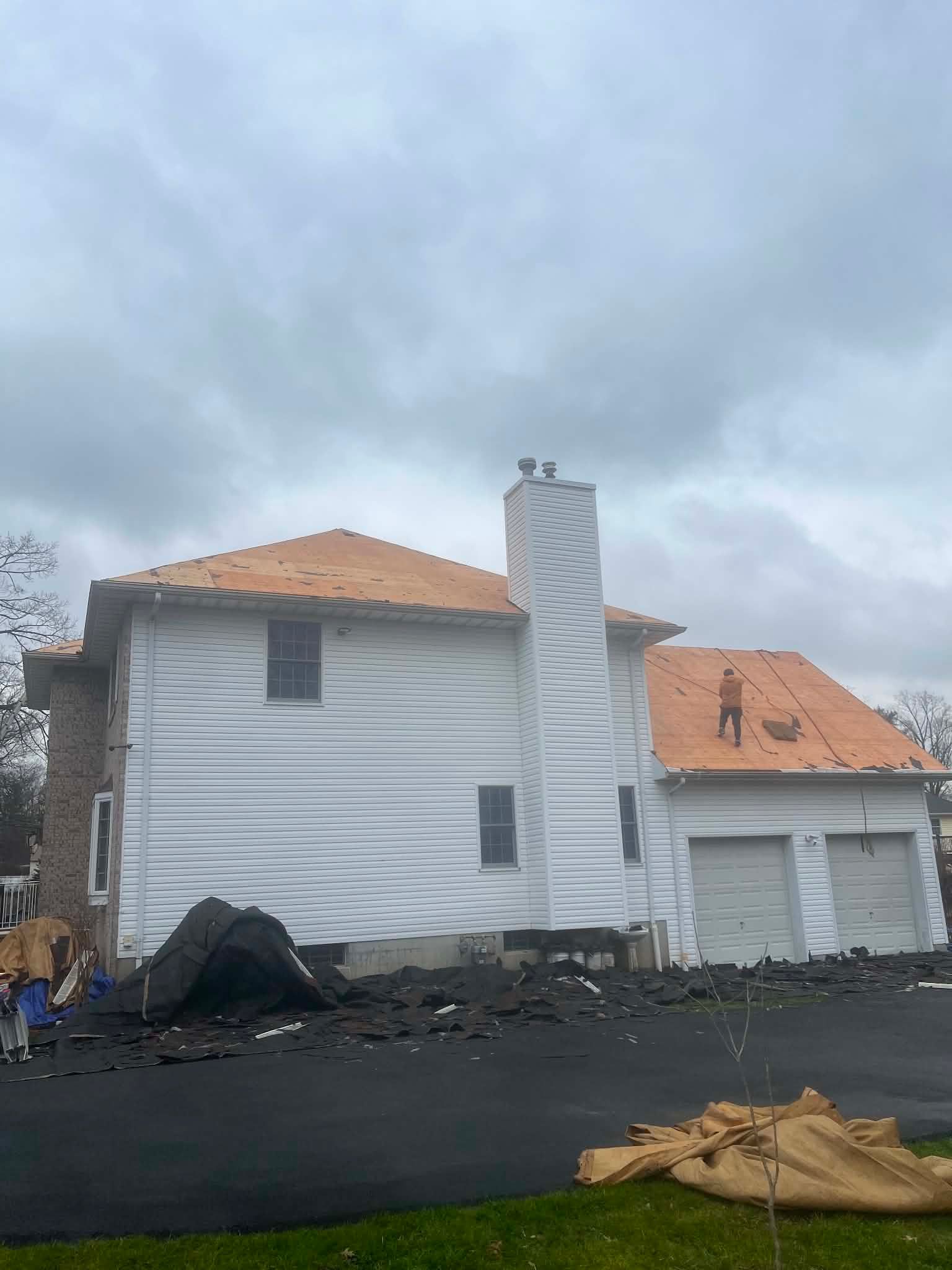
Great craftsmanship is a commitment, not a tier. Every home gets the same crew, materials, and attention to detail. Browse our featured work to see what that looks like in practice.
Where We Work
Proudly Serving Communities Across New Jersey
Headquartered in Central New Jersey, Legacy Peak Roofing & Construction works across Central and Northern New Jersey. Every county we serve gets the same craftsmanship standard.
- Monmouth County
- Ocean County
- Middlesex County
- Mercer County
- Morris County
- Essex County
- Bergen County
- Somerset County
- Sussex County
- Burlington County
- Camden County
We work throughout New Jersey. Contact us to confirm coverage in your area.
Coverage Area
Counties We Serve
Select your county for chimney pricing, project examples, and coverage details specific to your area.
Chimney in Monmouth County County, NJ
12Towns Covered
View Pricing
Chimney in Ocean County County, NJ
11Towns Covered
View Pricing
Chimney in Middlesex County County, NJ
10Towns Covered
View Pricing
Chimney in Mercer County County, NJ
8Towns Covered
View Pricing
Chimney in Morris County County, NJ
10Towns Covered
View Pricing
Chimney in Essex County County, NJ
10Towns Covered
View Pricing
Chimney in Bergen County County, NJ
10Towns Covered
View Pricing
Chimney in Somerset County County, NJ
4Towns Covered
View Pricing
Chimney in Sussex County County, NJ
4Towns Covered
View Pricing
Chimney in Burlington County County, NJ
4Towns Covered
View Pricing
Chimney in Camden County County, NJ
4Towns Covered
View Pricing
Client Experiences
The Standard Speaks for Itself
After dealing with a few other companies that were hard to communicate with and didn't really help fix my issues, I'm really glad I found Legacy Peak Roofing & Construction. They took the time to understand what was going on and clearly explained the best way to handle it. The crew was professional, showed up on time, and got everything done without any hassle. The whole experience was smooth and stress-free, and the quality of the work really shows. Danny the owner was great.
From the initial consultation to the final inspection, their team was professional, responsive, and highly skilled. The quality of workmanship is excellent. You can tell they take pride in their work and truly care about customer satisfaction.
They were the only ones to notice the damage on the first inspection. The crew was respectful and polite, and the cleanup was the best I have ever seen. I would definitely recommend them to all my family and friends.
Chimney Questions
Common Chimney Questions
Answers to what New Jersey homeowners ask most — from inspection schedules and liner requirements to repair vs. rebuild decisions and cost transparency.
How often should I have my chimney swept in New Jersey?
The National Fire Protection Association (NFPA 211) recommends annual chimney inspection and sweeping for any chimney in regular use. In New Jersey's climate, annual service removes creosote buildup from wood-burning fireplaces, checks for damage from freeze-thaw cycles, and clears debris or animal nesting that accumulates between seasons. Chimneys used infrequently should still be inspected every one to two years.
What is chimney relining and when do I need it in New Jersey?
Chimney relining replaces or rehabilitates the flue liner — the interior passageway that vents combustion gases safely out of your home. Relining is necessary when the liner is cracked, deteriorated, or incorrectly sized for your appliance. An improperly functioning liner allows carbon monoxide and heat to escape into combustible structure, creating a direct fire and safety risk. Stainless steel flexible liner systems and Thermocrete mortar sealing are the two primary relining methods for New Jersey homes.
What is the difference between a Level 1 and Level 2 chimney inspection?
A NFPA 211 Level 1 inspection covers accessible areas of the chimney: the firebox, smoke chamber, readily accessible exterior masonry, and the visible portion of the flue. A Level 2 inspection expands this to include a video camera scan of the full flue interior — required when selling a home, after a chimney fire, or following changes to the fuel type or connected appliance. Legacy Peak performs both levels and provides a written report with documented findings for each.
How do I know if my chimney needs tuckpointing or a full masonry rebuild?
Tuckpointing is appropriate when the masonry units — bricks or stone — are structurally intact and the damage is limited to the mortar joints. A full rebuild is warranted when the masonry units themselves are cracked, spalling, or displaced; when there is visible structural lean or separation from the house; or when moisture has penetrated into the firebox through failed masonry. A physical inspection is the only way to determine which applies to your specific chimney.
How much does chimney repair cost in New Jersey?
Chimney repair cost in New Jersey depends on the type and extent of work: a straightforward tuckpointing job on a small section differs significantly from a full stainless steel liner installation or an above-roofline masonry rebuild. No published range can reliably account for your chimney's specific condition, material, height, and accessibility. Legacy Peak provides free on-site inspections and written proposals with firm pricing — typically within 24 hours of the visit.