
Chimney & Masonry · June 15, 2026
How NJ Freeze-Thaw Cycles Crack and Spall Brick Chimneys
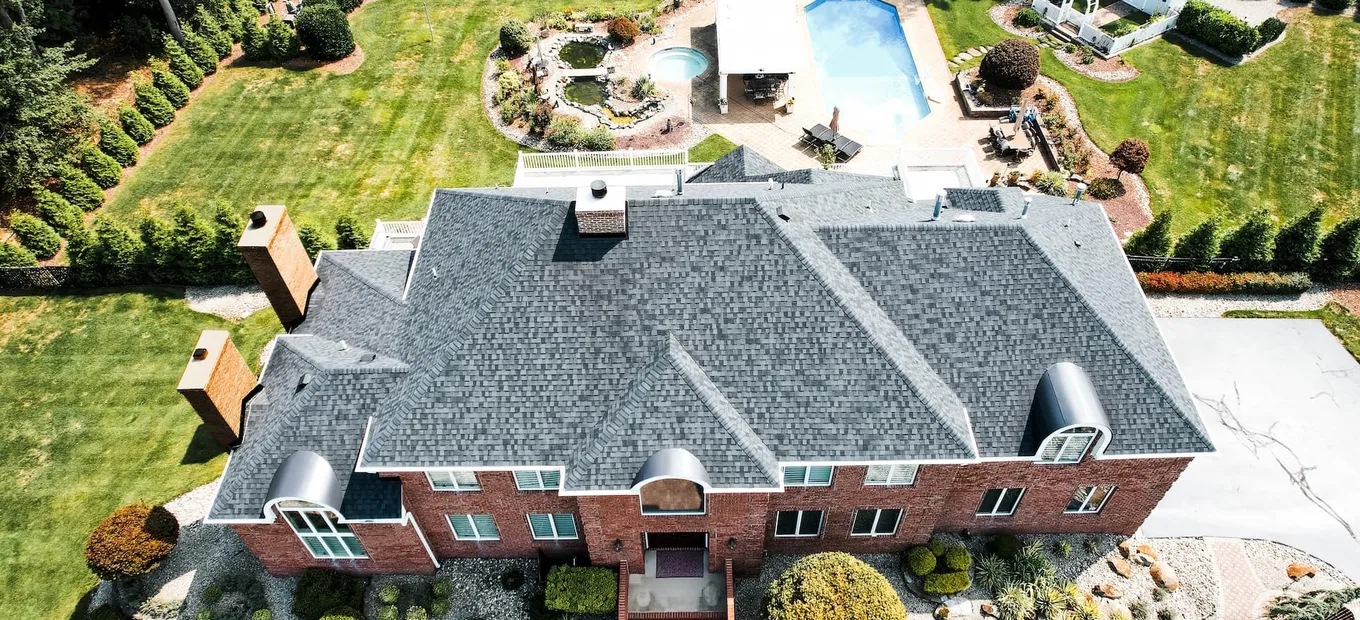
A freeze-thaw cycle is what happens when water soaks into your brick, freezes, and expands. Water grows by 9% the moment it turns to ice, and that expansion pushes outward from inside the masonry. Run that cycle dozens of times each New Jersey winter and the brick starts to crack, flake, and fall apart.
How a freeze-thaw cycle tears brick apart
People think of brick as solid. It isn’t. Brick and mortar are full of tiny pores that drink up water like a sponge every time it rains or snows. That water doesn’t always dry out before the temperature drops.
When it freezes, it expands by exactly 9%, and it does that from the inside. There’s nowhere for the pressure to go except against the brick around it. One freeze won’t do much. The problem is that a New Jersey winter doesn’t freeze once. It freezes and thaws dozens of times between November and March, and every cycle drives the wedge a little deeper.
That repetition is the whole story. This is also why a Monmouth County chimney repair done in spring holds up so much better than one rushed in midwinter. You want the brick dry and sealed before the next freeze, not after.
The first warning sign most people walk past
Your chimney tells you it’s in trouble long before a brick hits the driveway. Most homeowners just don’t know what they’re looking at.
Efflorescence: the white stain that means water is winning
If you see a white, powdery, chalky stain creeping across your brick, that’s efflorescence. It’s the salt left behind when water travels through the masonry and evaporates off the face. The stain itself is harmless. What it’s telling you is not.
Efflorescence means water is moving through your brick freely. That is the early warning, the smoke before the fire. Stop the water now and you stop everything that comes after it.
Spalling: when the brick face pops off
Ignore the water long enough and freeze-thaw pressure wins. The face of the brick literally pops off, leaving a crumbly, pitted, flaking surface behind. That’s spalling, and once it starts it feeds itself.
A spalled brick has lost its hard outer skin, so it soaks up even more water than before. More water means harder freezes, which means faster spalling. Left alone, it eats through the mortar joints and works its way into the structure of the chimney itself.
The sealer mistake that speeds up the damage
Here’s where good intentions wreck a chimney. A homeowner sees the staining, grabs a sealer or a can of masonry paint off the shelf, and coats the brick to “protect” it. That choice often does more damage than the weather.
The brick needs to breathe. It’s always going to take on some moisture, and it has to be able to push that vapor back out. The right product is a 100% breathable, penetrating silane or siloxane sealer. It soaks down into the brick and blocks liquid water while still letting vapor escape.
A film-forming sealer or paint does the opposite. It lays a skin over the surface, traps the moisture already inside the brick, and seals it in for the winter. Now every freeze has a full tank of water to work with, right under a coating that won’t let it out. That’s how a chimney goes from stained to spalling in a single bad season. If you only remember one thing from this article, make it this: breathable yes, film-forming never.
What chimney repair costs in New Jersey
The reason I push so hard on catching water early is money. The repair bill climbs fast once freeze-thaw gets into the structure. Here’s the real range we see across New Jersey:
- Tuckpointing, raking out the failed mortar joints and repacking them, runs around $15 per square foot
- Minor crown repair, sealing or patching the concrete cap on top of the chimney, starts around $800
- A full rebuild, once spalling has chewed through the structure, runs from $4,000 to over $15,000
Look at that spread. A breathable sealer and a little tuckpointing is a few hundred dollars of maintenance. A rebuild is a five-figure project with scaffolding and a crew. The difference between those two numbers is usually nothing more than how early you caught the water.
Why an annual inspection is cheaper than a rebuild
Water damage hides. By the time you can see spalling from the ground, the freeze-thaw cycle has often already reached the parts of the chimney you can’t see, including the flue.
That’s why the NFPA 211 standard recommends a chimney inspection every single year. An annual check catches water intrusion while it’s still a stain, not a structural problem, and it covers the part that actually keeps your family safe. A flue compromised by freeze-thaw cracking can leak combustion gases into the house, which is a real fire and carbon monoxide risk, not a someday maybe.
So an inspection isn’t an upsell. It’s the cheapest insurance on the chimney, and it’s the step that keeps a $300 fix from turning into a $12,000 one.
Stop the water before winter does the work
A brick chimney in New Jersey is in a fight with the weather every year, and water is how it loses. Catch the efflorescence, keep the brick breathing, and stay ahead of the freeze, and a masonry chimney lasts for generations.
If you’ve spotted white staining, flaking brick, or you just haven’t had eyes on your chimney in a few winters, get it looked at before the next freeze sets in. Our team handles chimney inspection and masonry restoration across Monmouth County, and we’ll tell you straight whether you’re looking at a seal-and-point or something bigger.